We Can’t Talk About Our Work
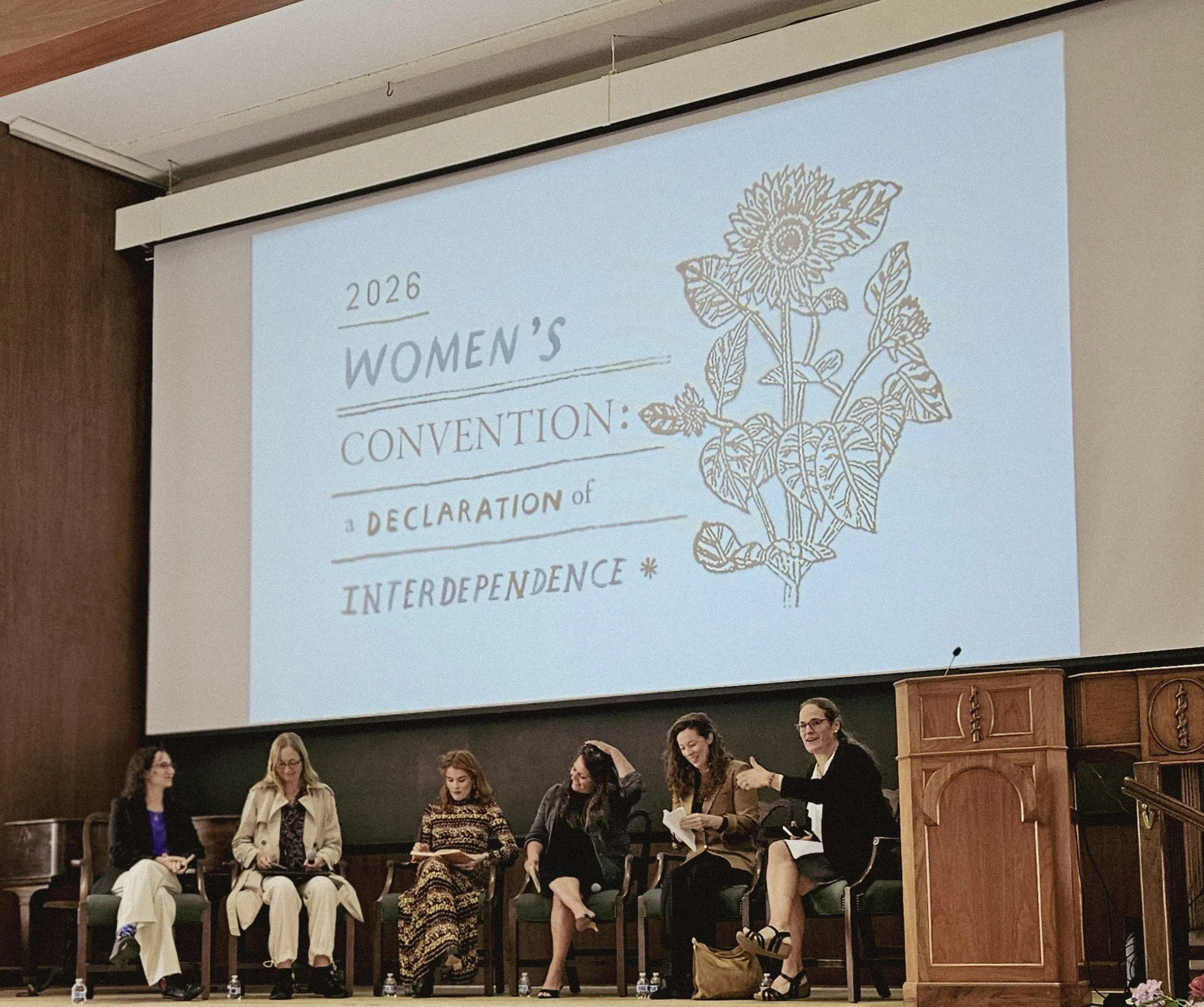
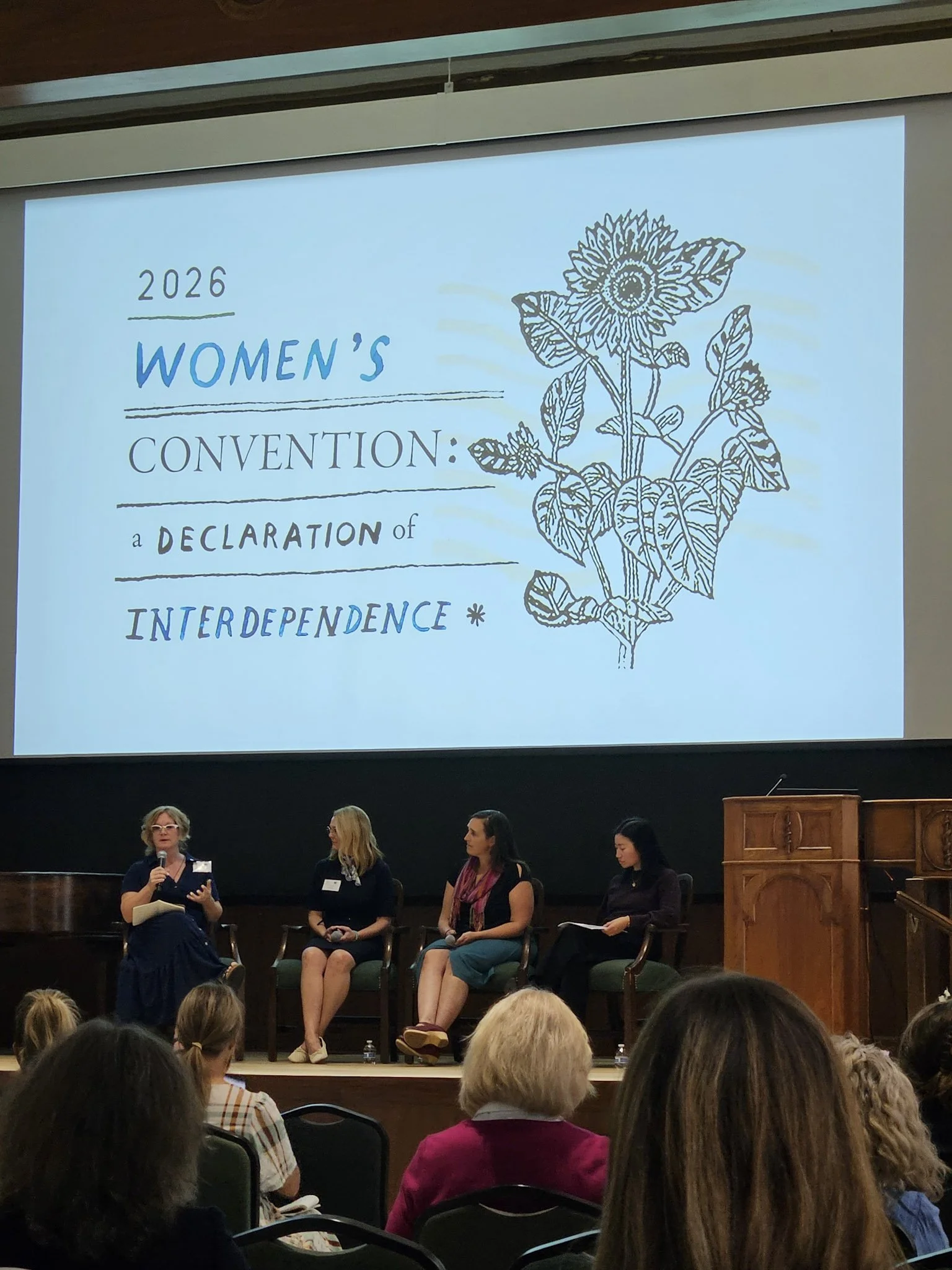
Leah Libresco Sargeant, Rachel Lu, Helen Roy, Lane Scott, Meghan Murphey and Erika Bachiochi lead a collaborative session on the way forward.
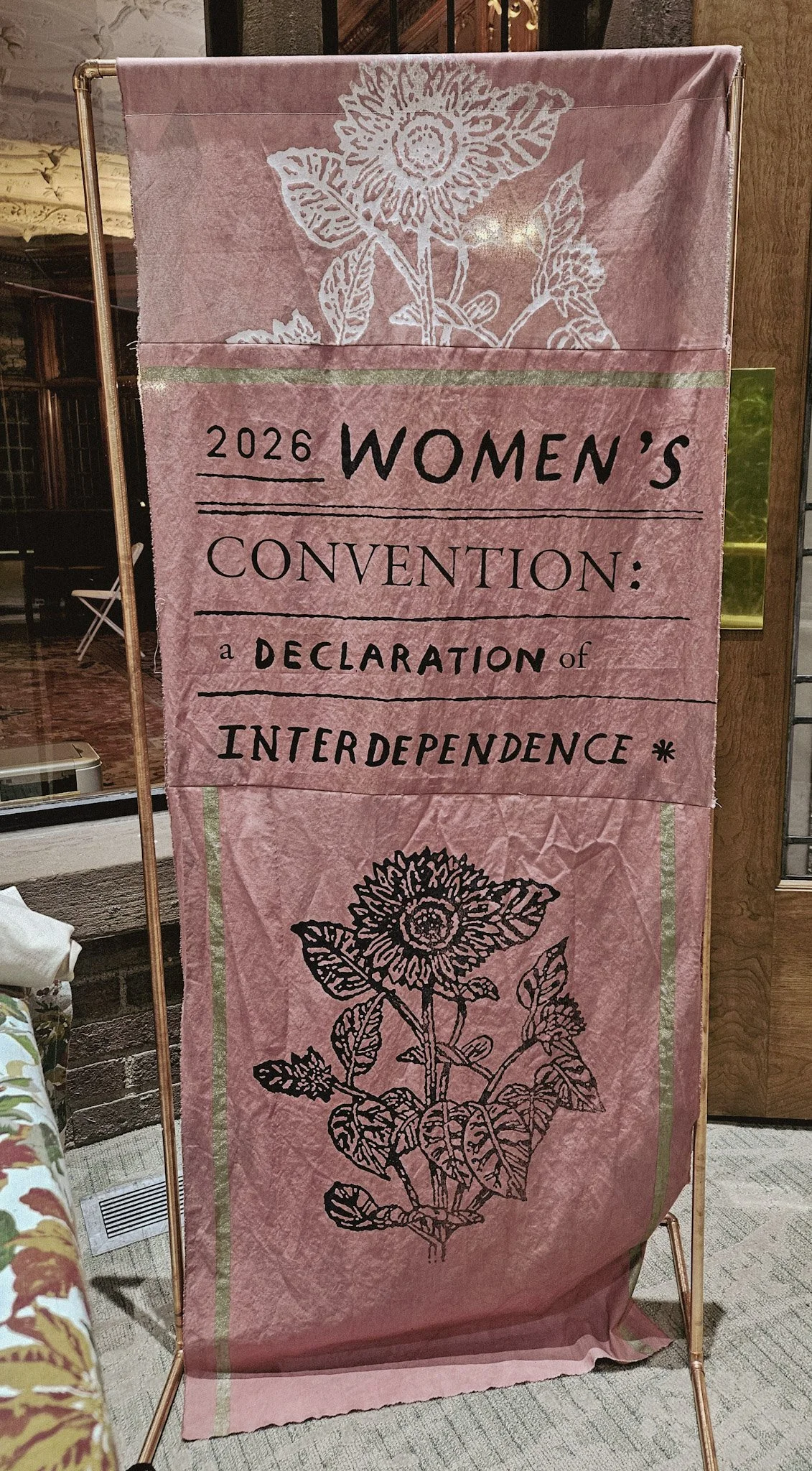
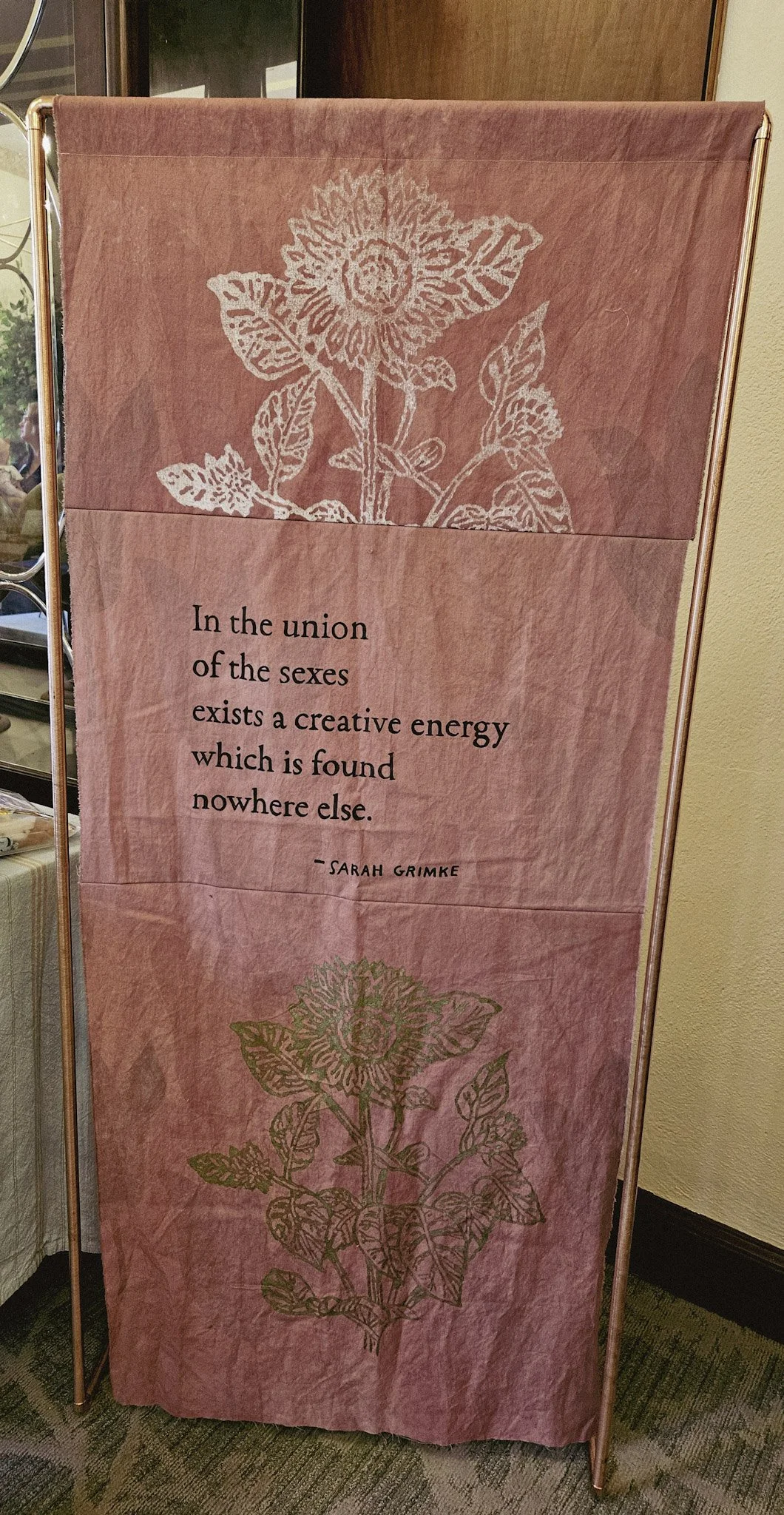
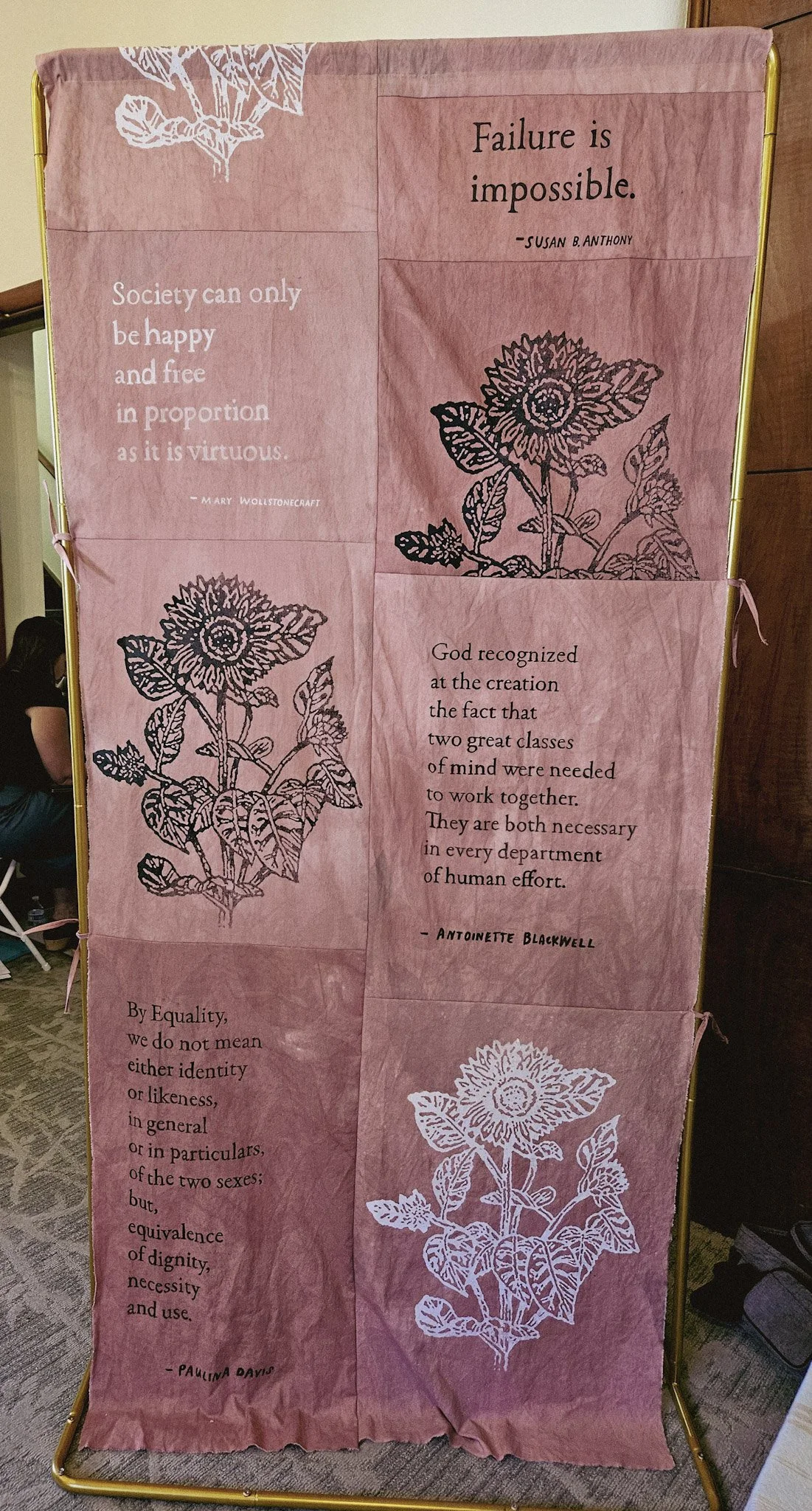
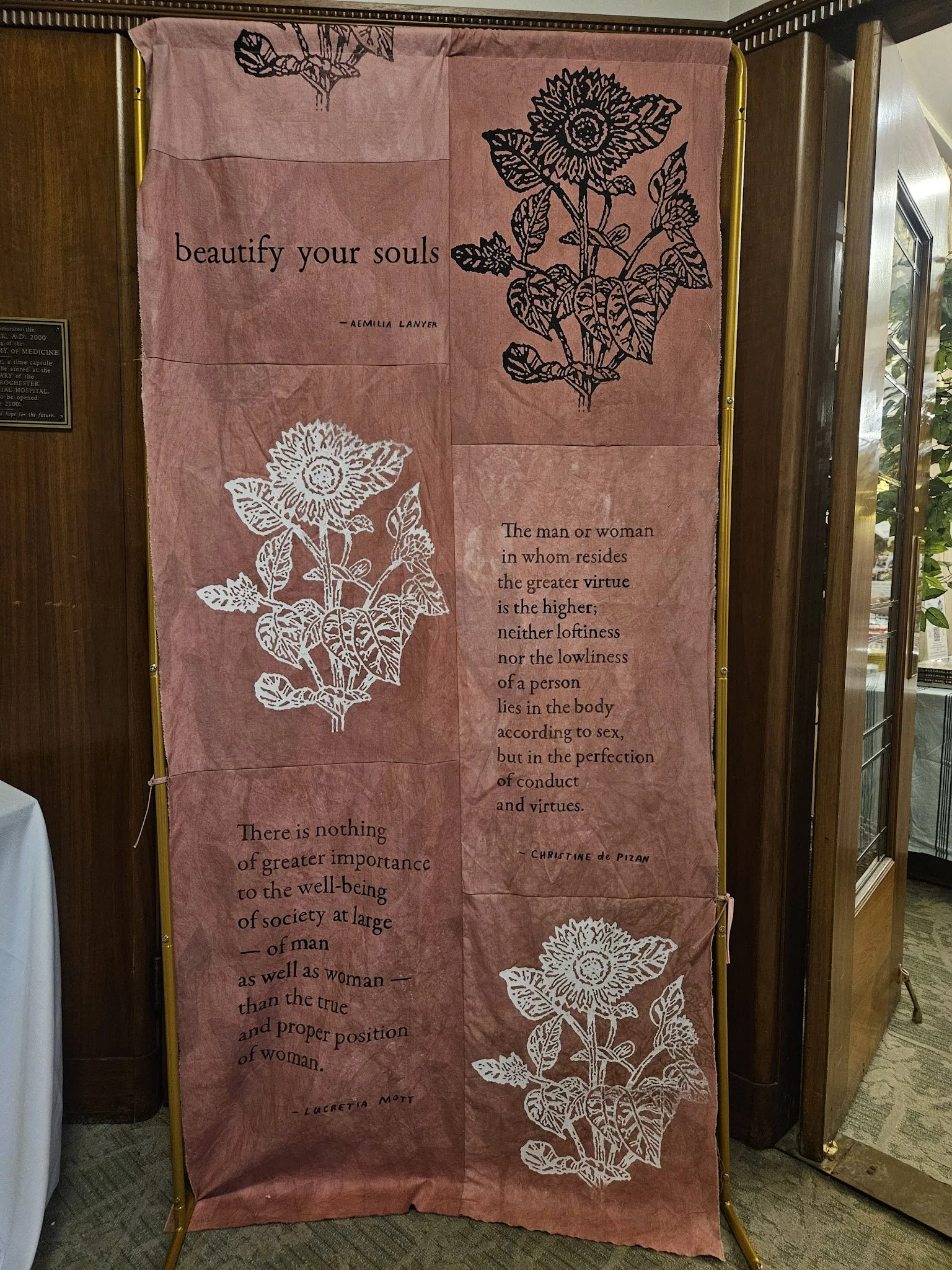
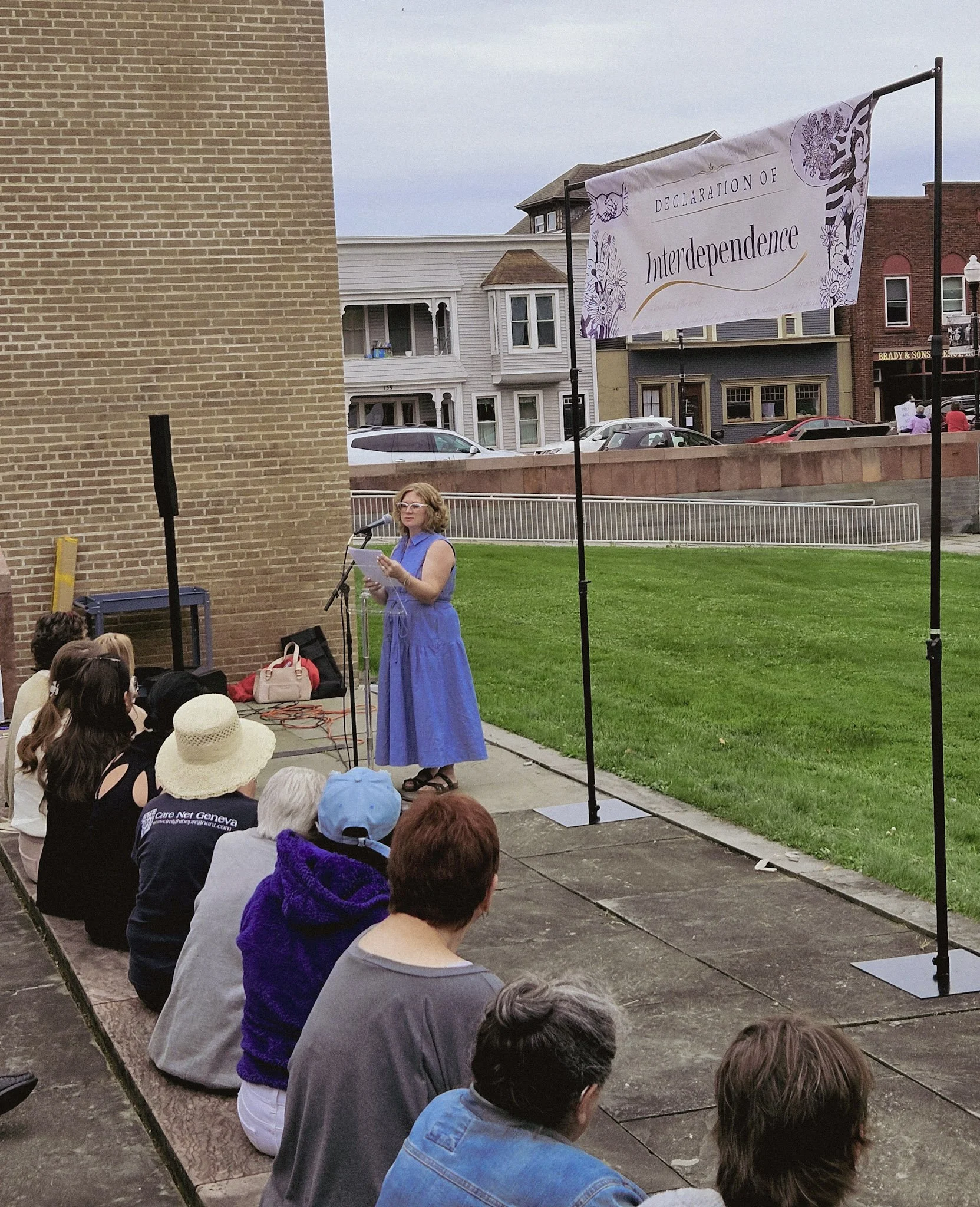
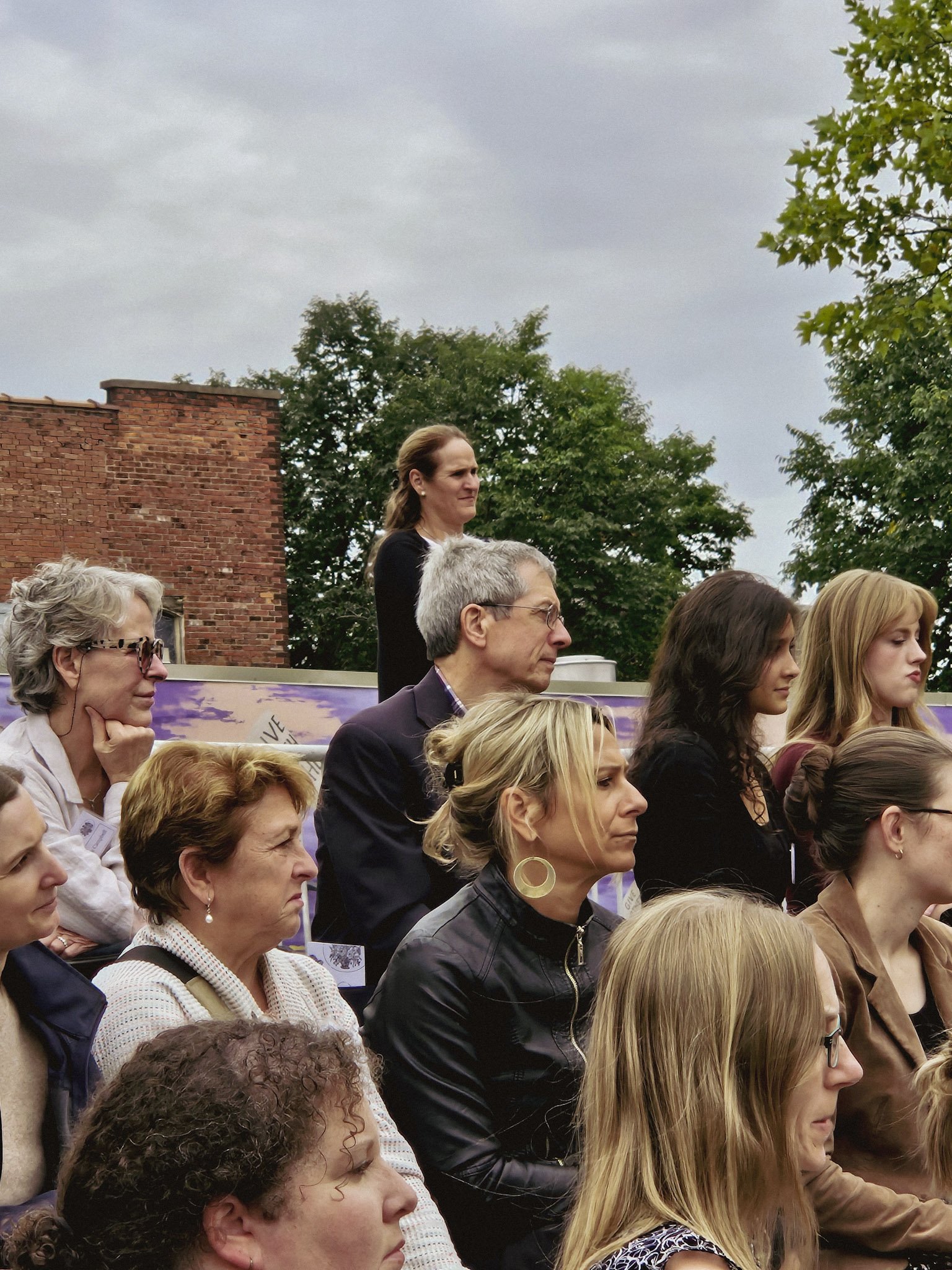
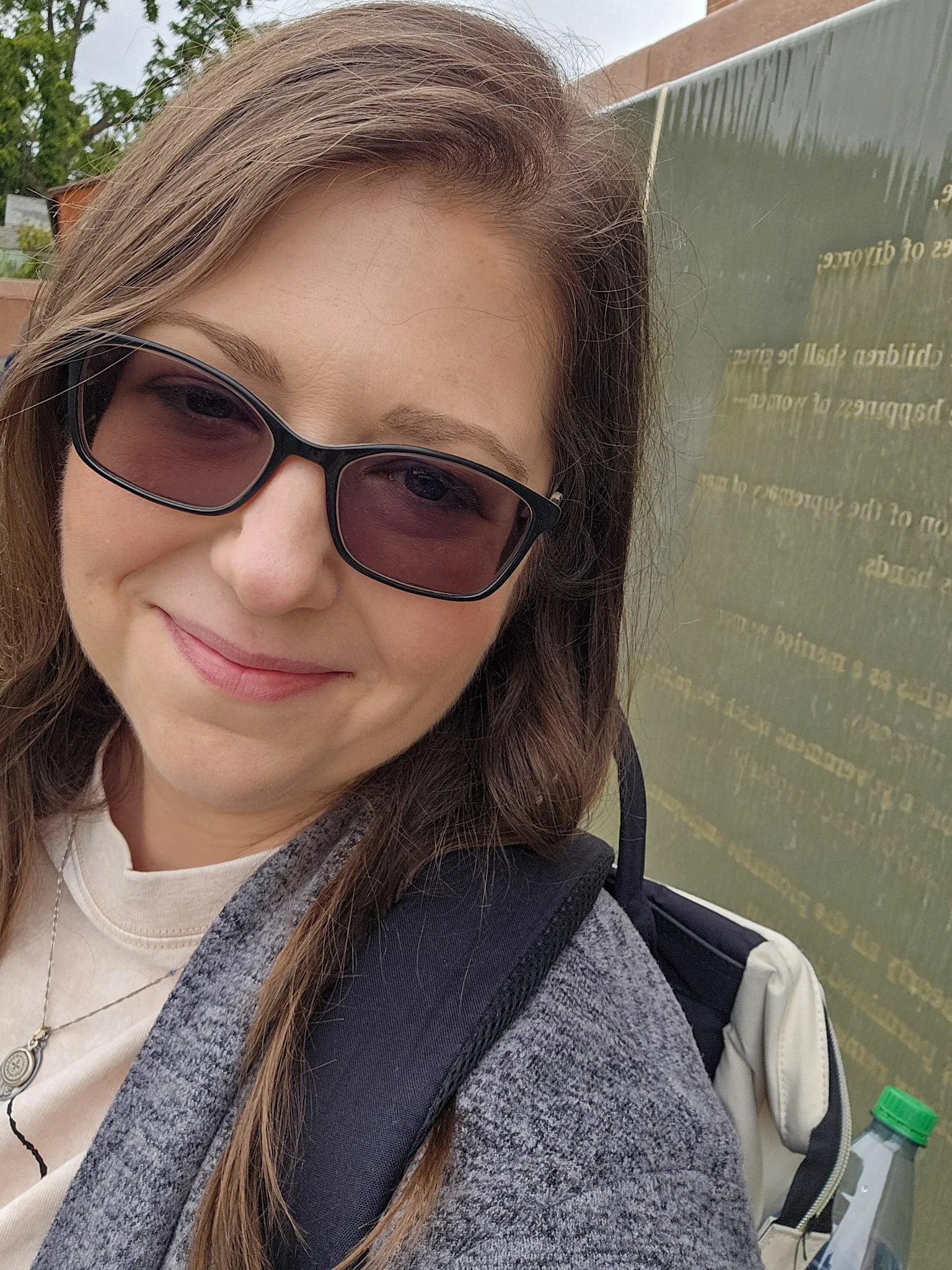
I just returned from Rochester, having had the honor of attending the 2026 Women’s Convention, organized by the intellectual powerhouse Erika Bachiochi and the beautifully talented Cecilia Lester (President and Social Media Director of Feminists Choosing Life of New York), and attended by some of the most intellectually-minded and active women in the world. The purpose of the Convention seemed relatively straightforward: Bring many of the world’s leading intellectual women together in one place, discuss the political and cultural concerns that women of all religions face, and collaborate to discern a path forward—one that is filled with hope. The convention culminated in a trip to Seneca Falls and the proclamation of the Declaration of Interdependence. It also left me thinking about a problem nearly every woman in the room shared: Why can’t we talk about our work?
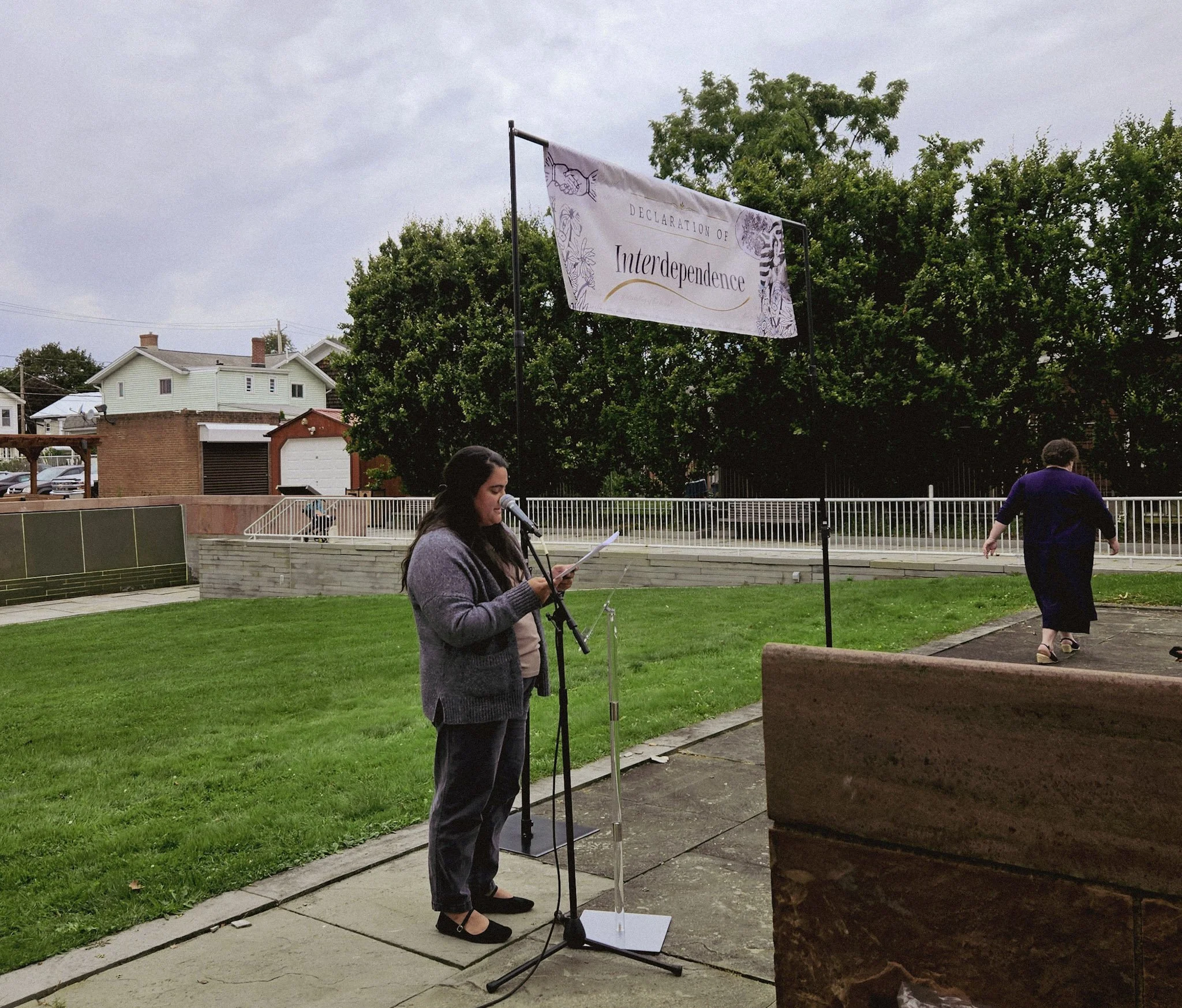
To say it was an honor to be included is an understatement. Not only was I invited to attend, I also had the great honor of proclaiming part of the Declaration, which will be released to the public in the coming days. The lectures will also be published in Fairer Disputations in the days and weeks ahead.
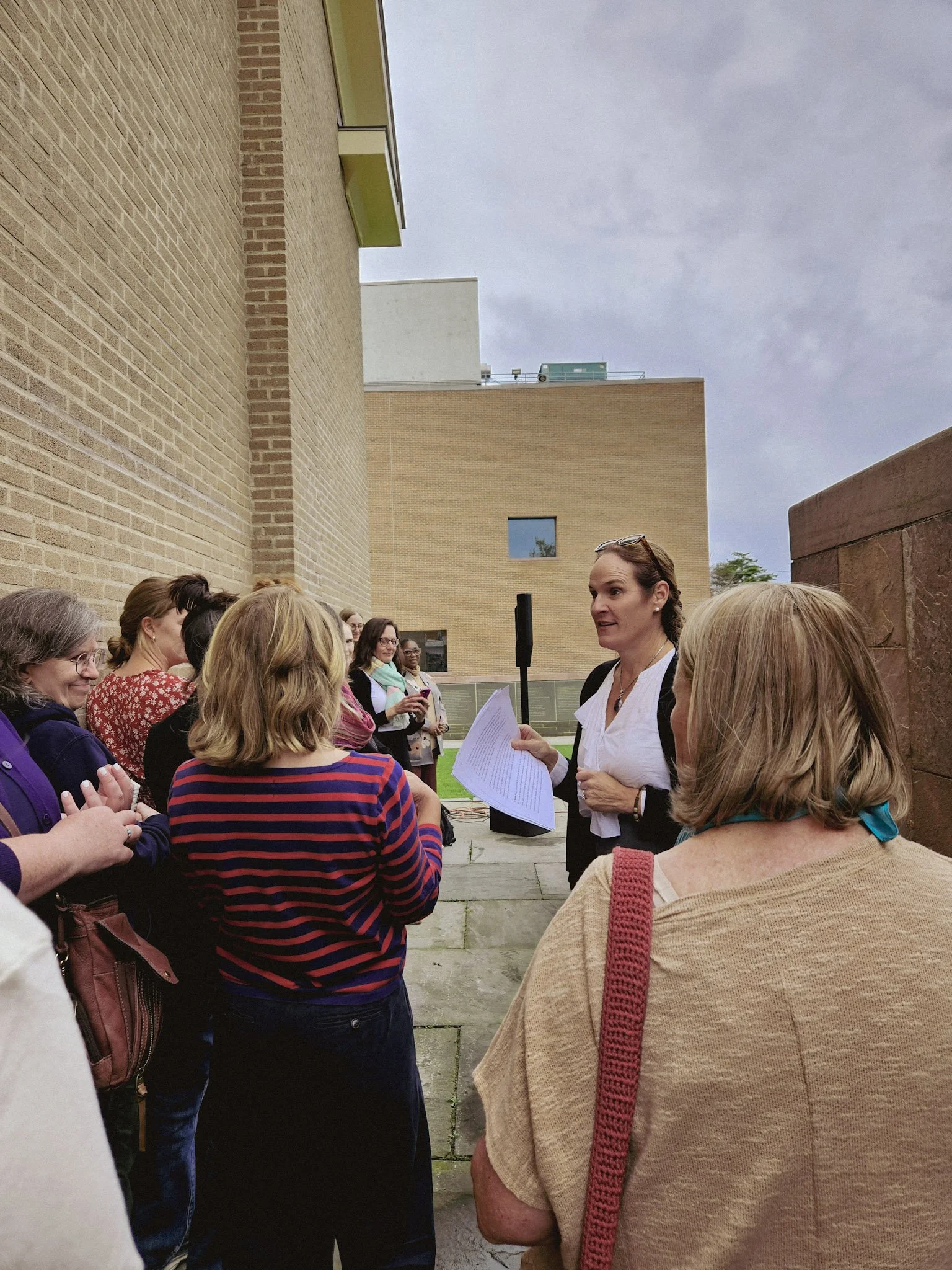
When I started The Better Part, which is the first in-print intellectual Catholic women’s journal, I was shocked to find that are still many people who do not believe that women can be intellectual. Even as recently as a few months ago, I noted to a male friend that The Better Part has been struggling to expand its intellectual offerings. Before I could explain that this particular struggle exists because intellectual women are exceptionally busy with their own projects, my male friend remarked, “Well, that’s because you generally only publish women. Women aren’t intellectual.” That comment, followed by boisterous laughter, was not the first or last time that sentiment crossed my path. It highlights the desperate need to publish feminine scholarship.
By my friend’s logic, intellectual work is cold, detached, and without feeling. I guess, then, my reaction to the Declaration of Interdependence proves his point. When I opened my email and read the draft in its entirety, I cried.
My tears must mean that I am not intellectual enough.
Let me explain: I read extensively. I know what the Church teaches, and I have a well-grounded knowledge of the philosophical heritage of the Church. I have read women in various disciplines discuss life issues such as the right to holistic women’s healthcare, one that cares for women long before they even think about pregnancy. I have read about women’s struggles to bring equal political rights and bodily safety to women in non-Western countries. I have read about the call to halt “abortion on demand without apology.” I have read about the concerns that women have with allowing wealthy couples (both heterosexual couples and same-sex couples) to use women’s bodies as nothing more than “gestational carriers.” I have read about the devastation that the pornography industry is causing for all human beings: children who are exposed to it entirely too young, women who are trafficked to create unimaginably violent pornographic material, young men who refer to young girls as “rape-able” if they are attractive, men and women who are addicted, marriages that are destroyed. I have read about the IVF technologies that treat women (and babies) like commodities. I have read about new reproductive technologies such as artificial wombs that threaten to undermine the most sacred thing a woman and man do together: procreate. I have read about why it is impossible for a man to say that he is a woman and vice versa. I have read about women who are not taken seriously in the academic, publishing, or political realm because they are, well… women.
But I have never seen those problems addressed in one comprehensive and cohesive document. It was overwhelmingly moving.
Last week we came together as women of all backgrounds to declare the goodness of woman qua woman and to ask for a better world, one that recognizes the inherent deep interdependence of all human beings.
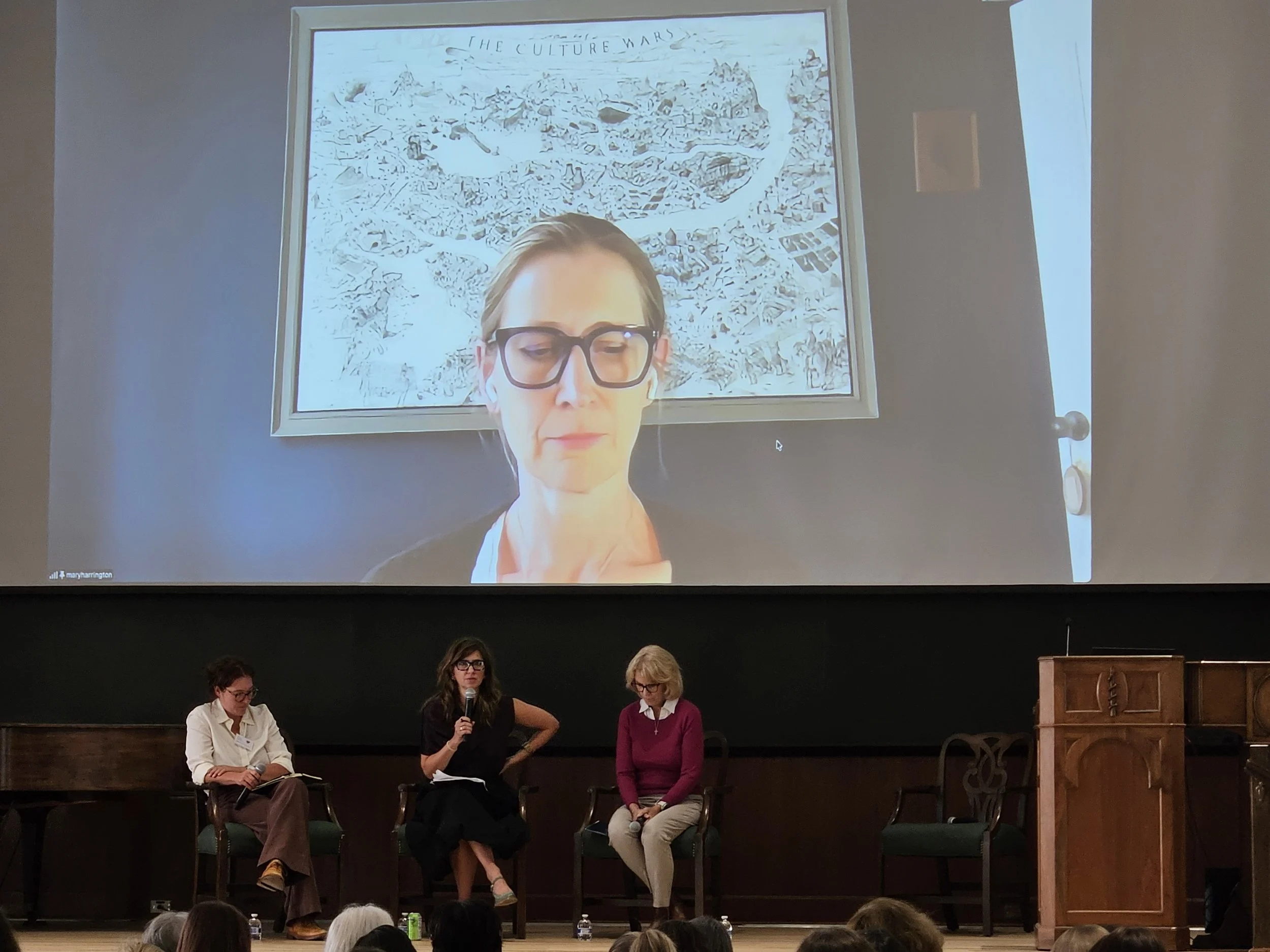
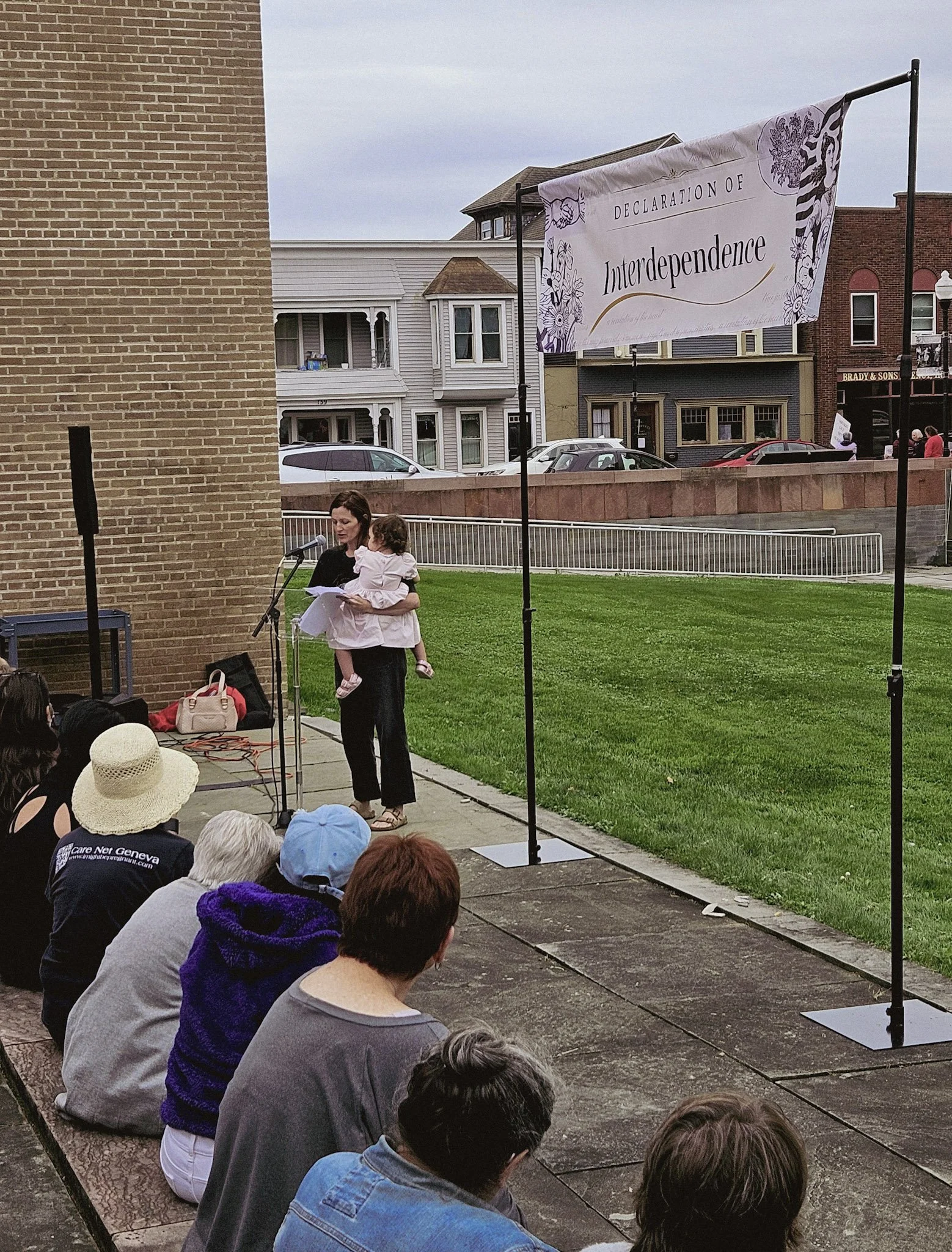
Mary Harrington (virtual), Rachel Coleman (moderator), Kristen Collier, and Jennifer Lahl discuss the particular threat of tech acceleration to women and children.
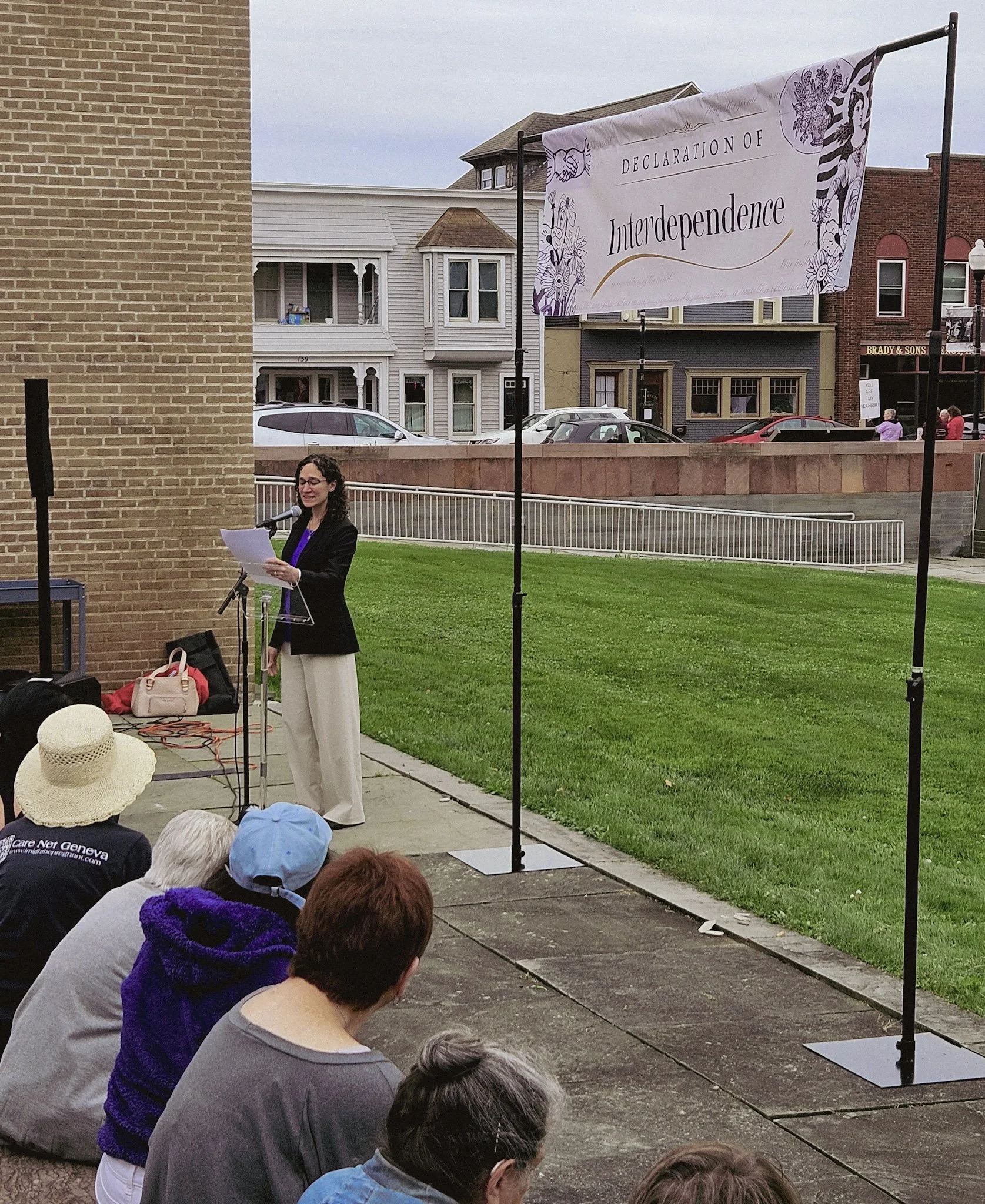
Leah Jacobson (moderator), Angela Kristan, Katie Vidmar, and Helen Nguyen discuss women’s health.
“…for the first time in my life, I had to choose between my child and my work, and I chose my child.”
This brings me to my title: What do I mean by, “We Can’t Talk About Our Work”?
During lunch one afternoon, I found myself surrounded by some of my female intellectual heroes. I told them a bit about my husband’s businesses and the fact that he regularly receives jobs from national labs where he cannot talk about his work with me or anyone else because of non-disclosure agreements. Well, imagine my shock and excitement when I read the Declaration of Interdependence and realized it was under an embargo. I couldn’t talk about my work with my husband (or anyone, really). I thoroughly enjoyed letting my husband know that I, too, was working on something that was confidential! (And we all know that confidential intellectual work is just as exciting as confidential scientific work. Duh.) Of course, the women around me laughed at the preposterous thought of me holding my confidential work proudly over my husband’s head.
But then the conversation took an interesting turn. We found that we could not really talk about the work we do simply because of how much the culture has changed. When your work is built upon complex nuances outlined in Thomistic and Aristotelian philosophy, how do you explain—exactly—what you work towards? Which hashtag do you use, precisely? How do you distill the metaphysical definition of woman down to a “hot take”? How do you move beyond the “TLDR” sentiment that is no longer confined to social media (even college students are noting in professor evaluations that the books were “TLDR”)? How do we explain that we are not trad-wives… but we also don’t despise or judge a woman who wishes to build her life around her home and children? How do we explain that we are not defined by our professional lives, but we also understand that professional labor is important to finding meaning? How do we explain that, yes, there were tears that were shed at this convention as many women found “where they belonged,” yet the work that was accomplished was, in fact, intellectual?
And on a personal level, how do I explain that for the first time in my life, I had to choose between my child and my work, and I chose my child? I knew that these women would want to see copies of the journal, but as someone who is pumping and still recovering from a c-section, I knew that I could not carry both my pumps and my journals onto the planes. I chose my pumps to prevent from tanking my supply while I was gone, and I don’t regret it. I became known as the woman walking around wearing wearable pumps. And no one minded.
In a sense, we—the Catholic women who are faithful to the Magisterium and the great intellectual Catholic tradition—cannot “talk about our work” because much of the culture simply cannot understand it. But we will keep trying.
At His feet… in her voice.